
A 2500-Year Legacy: From Ancient Tombs to Royal Palaces
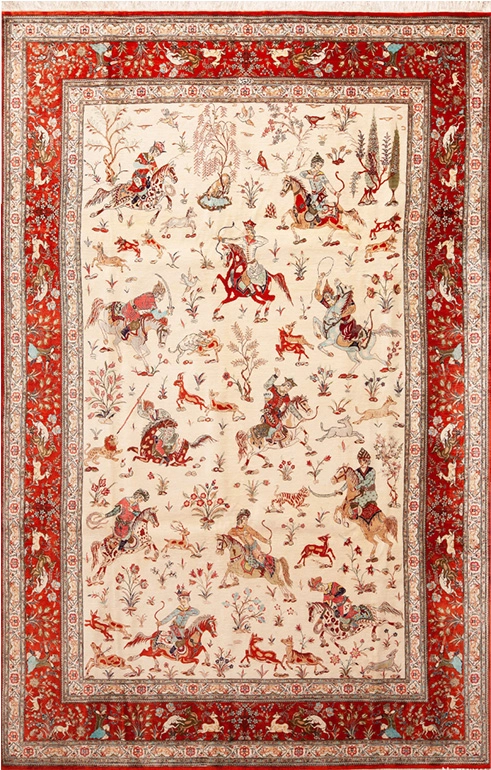
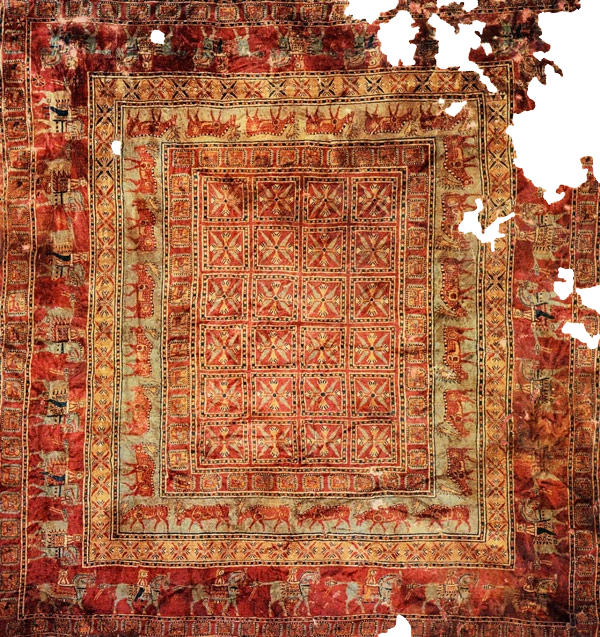
The story of rugs begins over 2,500 years ago. The Pazyryk carpet—the oldest known hand-knotted rug—dates to the 5th century BC. Discovered frozen in a Scythian noble’s grave in Siberia’s Altai Mountains in 1949, it features intricate horsemen, deer, and geometric borders, proving advanced weaving existed long before recorded history. Likely of Persian or Armenian origin, it survived the ages as a testament to nomadic mastery.
By the Safavid era (16th–18th centuries), Persian rug weaving reached its zenith in cities like Isfahan, the imperial capital. European royalties flocked there: French kings commissioned from Kashan and Isfahan workshops, embedding their coats of arms; Polish nobles like Sigismund III ordered dowry rugs; and Dutch painters immortalized them in still lifes. These “oriental” treasures adorned palaces from Versailles to Windsor, symbolizing wealth and refinement. Today, at Tiffany Rug Auction, we honor this heritage by authenticating rugs with the same discerning eye.
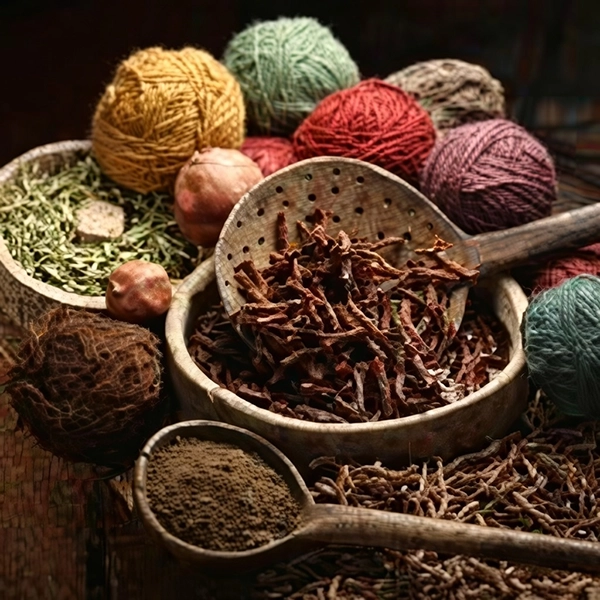
Materials: Premium hand-spun wool from highland sheep (for warmth and resilience) or luxurious silk (for sheen and fineness). Foundations of cotton or silk ensure stability.
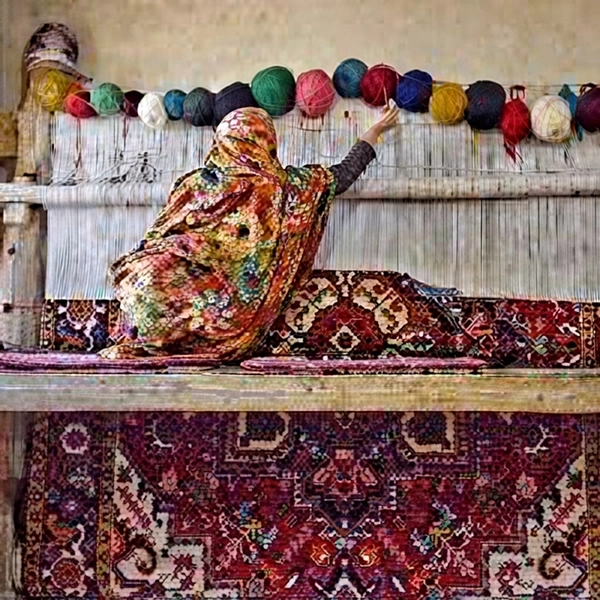
Weaving Mastery: Double-wrapped in some regions for extra strength; irregularities in the weave signal authenticity, not flaws.
-
- Indian: Often Persian knot (introduced by Mughal weavers); wool/silk; cotton foundation; floral motifs with softer colors; natural dyes. Elegant but sometimes less dense than Persian; excels in large-scale production.
-
- Chinese: Symmetrical knots; silk/wool pile; cotton foundation; figural motifs (dragons, clouds); often chemical dyes in modern pieces. Lush and pictorial, but lower knot density than Persian.
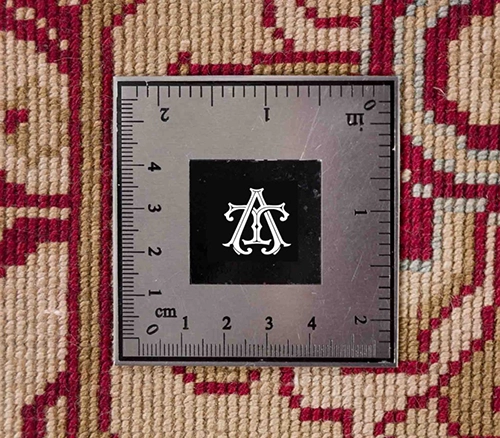
Persian Rugs “secrets”—higher knot counts, pure natural dyes, and generational know-how—make them the most coveted, with values that appreciate over time.
At Tiffany Rug Auction, we celebrate the timeless artistry of hand-knotted rugs—the world’s oldest form of textile storytelling. From the windswept steppes of ancient Persia to the bustling markets of modern Australia, these masterpieces aren’t just floor coverings; they’re portals to history, culture, and the cosmos itself. Whether you’re discovering your first heirloom or adding to a collection, understanding rugs unlocks their true value. Here, we explore their origins, symbolism, global variations, weaving techniques, and what sets Persian rugs apart as the pinnacle of this ancient craft.
The Cosmetic Language of Rug Designs
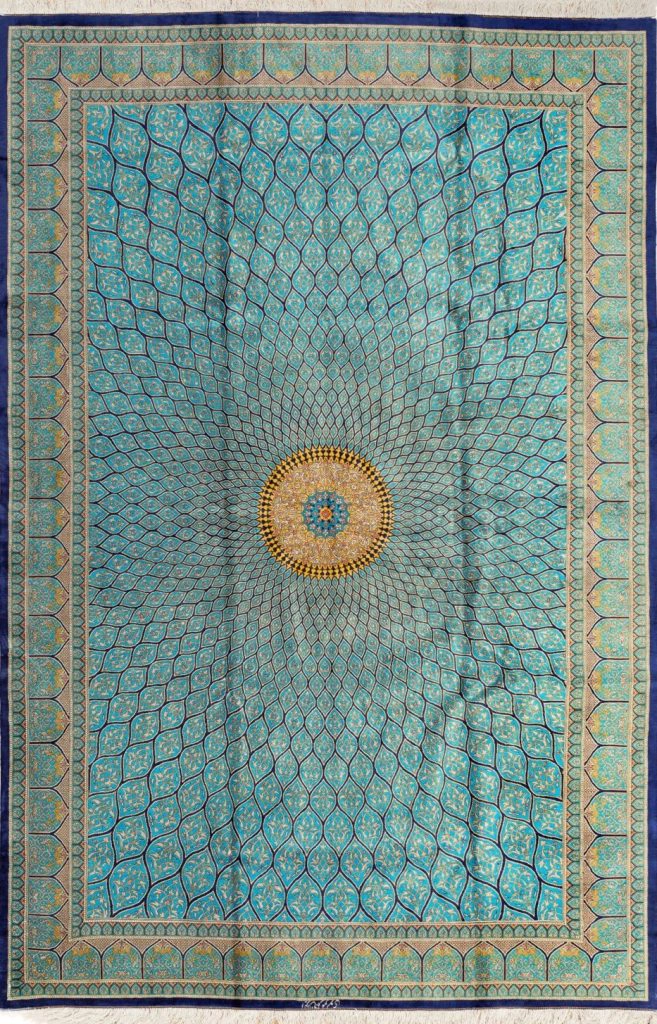
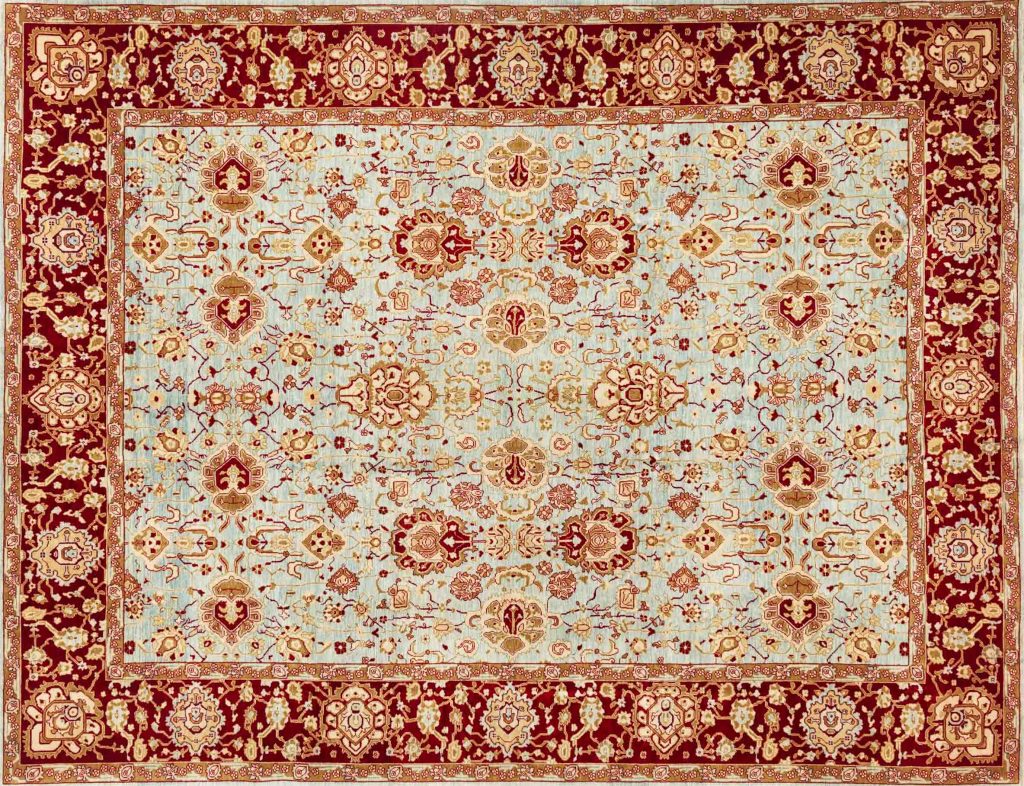
Persian rugs are more than patterns—they are woven poetry, echoing the universe’s grand design. In the intricate medallions and flowing arabesques, ancient weavers captured the cosmos: swirling galaxies in central motifs, stars aligning in geometric borders, and the eternal cycle of life in floral vines. These designs draw from astrology and spirituality, symbolizing unity—the interconnectedness of all things. A single boteh (paisley) represents the seed of creation; the Tree of Life links earth to heaven; and symmetrical fields evoke paradise gardens, where harmony reigns. As one expert describes, “Rugs are the universe in miniature, where every knot whispers of balance, protection, and the divine order that binds us all.” This profound symbolism, passed through generations, makes each rug a living legacy.
Persian Rugs: The Gold Standard of Craftsmanship
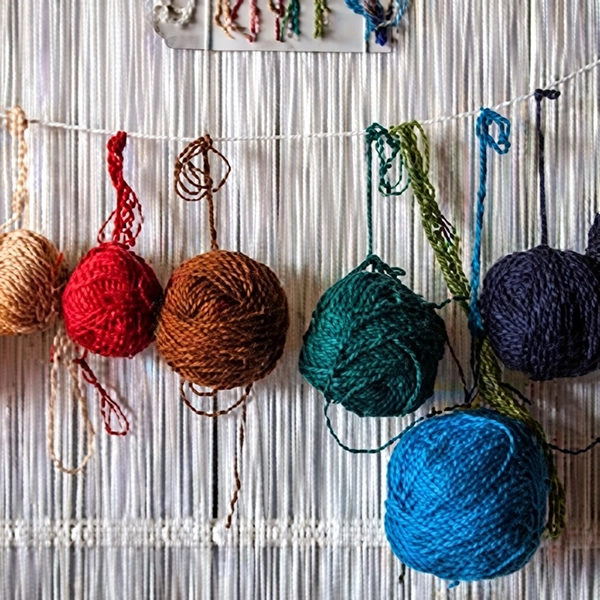
Dyes: Natural vegetable sources—indigo for deep blues, madder root for vibrant reds, saffron for golden yellows—yielding colors that age gracefully, never fading like synthetics.
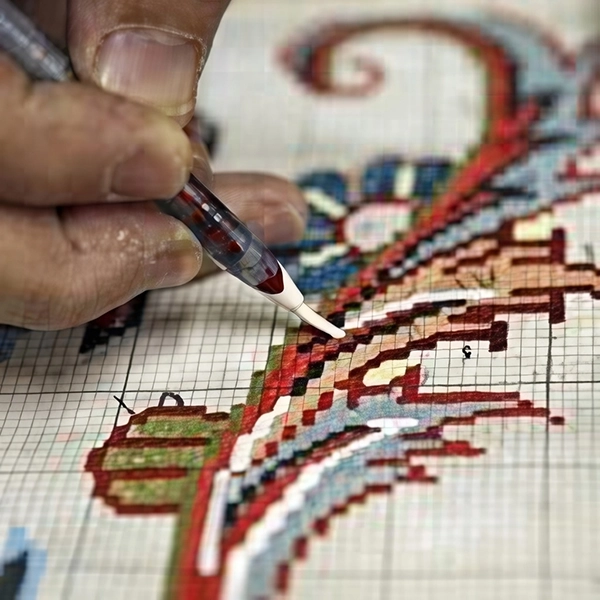
Knots: The asymmetrical Persian (Senneh) knot allows for exquisite detail and higher density (often 300–1,000+ knots per square inch). Weavers tie a single loop around one warp thread, leaving the other free—enabling fluid, curvilinear designs impossible with coarser methods.
These elements create rugs that improve with time, becoming family heirlooms.
-
- While Persian rugs set the benchmark, other traditions offer unique charms. Here’s how they compare in knots, materials, dyes, and foundations:
-
- Asymmetrical Persian knot for supreme detail; wool/silk pile on cotton/silk foundation; natural dyes; curvilinear florals and medallions. The pinnacle of finesse—double knots in select workshops for longevity.
-
- Turkish (Anatolia): Symmetrical Turkish (Ghiordes) knot—double-wrapped for durability; wool pile on cotton foundation; bold geometrics and prayer niches; vegetable dyes. Sturdy and vibrant, ideal for high-traffic areas.
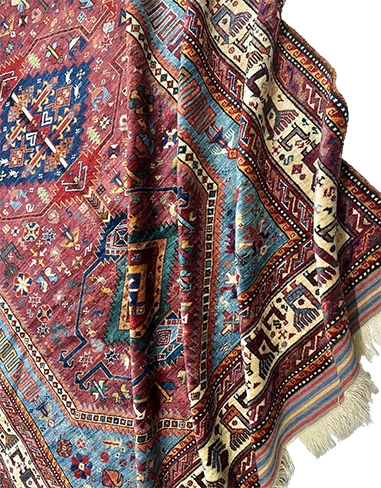
- Afghan: Turkish or Persian knots; thick wool pile; cotton foundation; bold reds and geometrics (e.g., Ersari guls); natural dyes from local plants. Robust, earthy, and nomadic—perfect for rustic charm.
- Pakistani: Persian knot dominant; wool pile (often coarser); cotton foundation; geometric and floral hybrids; natural/synthetic dyes. Affordable quality with strong tribal influences—great for everyday elegance.